Common Lawn Problems and How to Fix Them Fast
Updated: 6 days ago

What’s In This Guide
Connecticut homeowners commonly contact landscapers when a lawn that looked healthy the previous month suddenly develops brown spots, thin patches, or dead grass. The frustrating part is that patchy grass rarely has a single cause. Fungal disease, grub damage, compacted soil, drought stress, and thatch buildup can all produce similar-looking bare or discolored areas.
Figuring out why a lawn is patchy is the first step toward fixing it. Guessing incorrectly, such as treating lawn fungus when the real problem is grubs, can waste time, money, and an entire growing season.
Quick Facts
Patchy grass usually traces back to one of five root causes: fungal disease, grub damage, soil compaction, drought stress, or thatch buildup.
Fungal turf diseases such as brown patch and red thread spread fastest in humid, poorly ventilated lawns.
The tug test separates grub damage from other causes: turf that lifts like loose carpet, with little root resistance, points to grub feeding rather than disease or drought.
Compacted soil blocks water, air, and nutrients from reaching grass roots, and even a thin compacted layer near the surface can restrict absorption significantly.
Lawn treatment costs are best presented as customized estimates rather than fixed prices because turf condition, soil health, and site access vary from yard to yard.
Why Is My Lawn Patchy? A Quick Answer
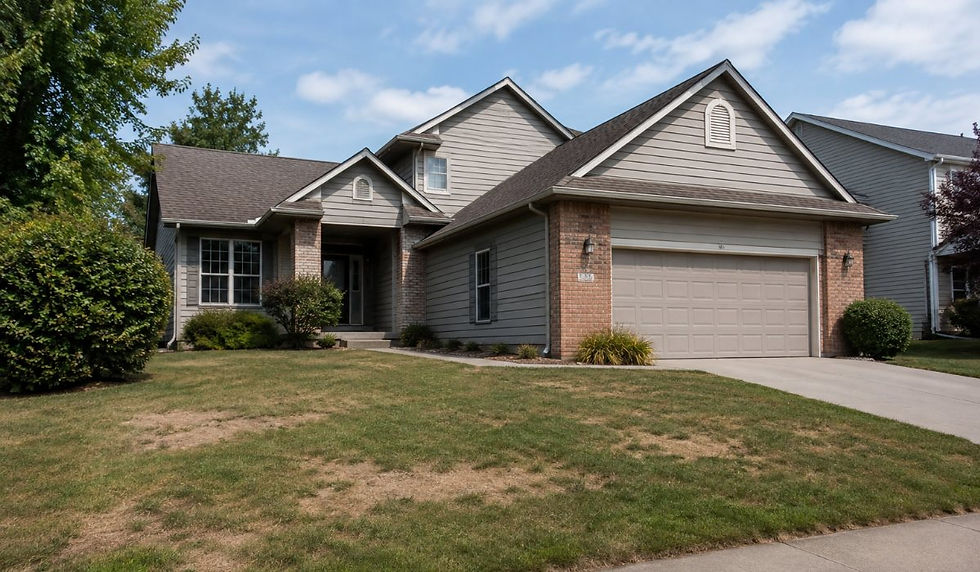
A patchy lawn is almost always a symptom of an underlying stress factor rather than a random problem. The five most common Connecticut culprits are fungal disease, grub damage, soil compaction, drought or heat stress, and thatch buildup.
Each cause tends to leave a slightly different signature:
Fungal disease creates circular or irregular patches with distinct borders.
Grub damage shows up as turf that lifts easily with little root attachment.
Soil compaction produces thinning grass in high-traffic paths and low spots.
Drought or heat stress browns grass evenly across sun-exposed areas first.
Thatch buildup creates a spongy feel underfoot and shallow, weak roots.
Identifying which of these is happening on a specific property is what turns a guess into an actual repair plan.
Why Treating Patchy Grass and Lawn Disease Matters for Your Property
A patchy lawn is not only a cosmetic issue. Left untreated, fungal disease and grub damage can spread from a small section into a much larger area within a single season, especially during Connecticut's humid summer stretches.
Bare or dying patches can also contribute to:
Reduced curb appeal, especially for homes being prepared for sale.
Increased soil erosion, since exposed soil washes away more easily during heavy rain.
Greater weed pressure, as bare spots give weeds and crabgrass an easy foothold.
Higher long-term repair costs, since problems addressed early are typically easier to correct than widespread dead or compacted turf.
Addressing the cause early, rather than repeatedly reseeding the same spot, tends to produce more lasting results.
5 Common Causes of Patchy, Diseased Lawns in Connecticut
1. Fungal Lawn Disease: Brown Patch, Red Thread, and Dollar Spot
Fungal disease is one of the most frequent reasons Connecticut lawns develop brown spots, particularly during warm, humid stretches or after an extended cool, wet spring. Red thread is common on under-fertilized lawns and mainly affects grass blades rather than the roots, according to the UConn Home & Garden Education Center. Pythium and brown patch, by contrast, can damage turf quickly when conditions favor them, especially when cool-season grasses are fertilized or overwatered during summer heat.
Snow mold is another fungal issue worth watching for in early spring. It can develop beneath prolonged snow cover, particularly where snow has been piled along driveways or walkways. After the snow melts, affected turf may appear as circular, matted patches that are gray, tan, or pink, depending on the type of snow mold.
Warning signs of fungal disease include:
Circular or irregular patches with darker, water-soaked borders
Small, tan spots approximately the size of a silver dollar
Patches that appear or worsen after humid, overcast weather
Discolored grass blades while the soil underneath still feels firm
2. Grub Damage
White grubs damage turf by feeding on grass roots and crowns beneath the thatch layer. This direct feeding damage often resembles drought stress, appearing as irregular patches of dried, dead grass.
The simplest way to check is the tug test:
Grab a handful of grass in the affected patch.
Pull upward with light pressure.
If the turf lifts easily, like a loose section of carpet, with few or no roots attached, grubs are a likely cause.
Increased digging activity from birds, skunks, or raccoons searching for grubs is another common clue.
3. Soil Compaction and Soil Issues
Compacted soil prevents water, air, and nutrients from reaching the root zone. Even a thin compacted layer near the surface can significantly reduce water infiltration and nutrient movement. Compaction commonly develops along high-traffic paths, fence lines, and play areas.
Signs of compaction and other soil issues include:
Thin or bare strips along a regular walking path
Water pooling on the surface after rain instead of soaking in
Grass that feels stiff or resistant when a screwdriver or soil probe is pushed in
Uneven color across the yard tied to soil type changes
A soil test can also reveal pH imbalances or nutrient deficiencies that leave grass more vulnerable to disease and drought stress.
4. Drought and Heat Stress
Cool-season grasses common in Connecticut, including Kentucky bluegrass, tall fescue, and perennial ryegrass, can become dormant or turn brown during extended periods of hot, dry weather. Drought stress usually causes more even browning across sun-exposed sections rather than isolated circular patches, which can help distinguish it from disease.
5. Thatch Buildup
Thatch is a layer of dead and partially decomposed grass, stems, and roots that accumulates between the soil and the living grass blades. A thin layer is normal, but excessive thatch can restrict air and water movement, trap moisture near the crown, and create favorable conditions for fungal disease.

How to Diagnose a Patchy Lawn: Step-by-Step Checklist
Working through a simple diagnostic sequence helps narrow down the cause before choosing a treatment.
Look at the patch shape and border. Circular patches with a distinct edge often point to fungal disease. Irregular, scattered patches lean toward grubs or compaction.
Run the tug test. Turf that lifts easily with little root resistance suggests grub feeding.
Check soil firmness. Push a screwdriver or soil probe into both the damaged area and a healthy section. Noticeable resistance in the damaged spot may indicate compaction.
Review recent watering and mowing habits. Overwatering, watering in the evening, or mowing too short can all contribute to fungal outbreaks.
Consider a soil test. A basic soil test can confirm pH levels and nutrient gaps that are otherwise easy to miss.
Cause | Patch Shape | Feel Underfoot | Common Trigger |
Fungal disease | Circular, defined border | Firm, blades discolored | Humidity, poor airflow, evening watering |
Grubs | Irregular, scattered | Lifts easily, loose roots | Beetle egg-laying, thin turf |
Soil compaction | Follows traffic paths | Hard, resistant to probe | Foot traffic, heavy equipment, clay soil |
Drought stress | Broad, even browning | Dry, brittle blades | Extended heat, inconsistent watering |
Thatch buildup | Spongy patches | Springy, spongy layer | Infrequent dethatching, shallow roots |
What Affects the Cost of Lawn Disease Treatment and Repair
Lawn treatment and patch repair costs vary widely because no two lawns have the same combination of problems. Rather than relying on a fixed price, homeowners should understand the factors that typically shape an estimate:
Size of the affected area, from a few small spots to large sections of turf
Underlying cause, since fungal treatment, grub control, and soil correction each involve different products and labor
Soil condition, including compaction, pH, and drainage
Site access, such as slopes, obstacles, or irrigation systems already in place
Timing and season, since some treatments are more effective at specific points in the growing cycle
Whether reseeding, topdressing, or aeration is needed alongside the primary treatment
Since every lawn has unique needs, contacting a local lawn care professional for an on-site assessment is the most reliable way to receive a tailored estimate for your specific property.
When to Call a Lawn Care Professional
DIY treatment can work for minor, early-stage issues, but certain signs suggest it is time to bring in a professional. A qualified lawn care provider can confirm the cause with a closer inspection, which matters because fungal disease, grubs, and soil compaction often require different treatments.
Consider professional help when:
More than 20 to 25 percent of the lawn shows visible damage
The same patches return year after year despite treatment attempts
Digging animals are actively tearing up sections of turf
Standing water or visible erosion appears after normal rainfall
A soil test reveals imbalances that you are unsure how to correct
A local lawn care provider can inspect patchy or diseased turf throughout Connecticut, identify the underlying cause, and recommend a treatment and maintenance plan suited to the property’s soil, sun exposure, and grass type.
Frequently Asked Questions
Why is my lawn patchy even though I water it regularly?
Consistent watering does not rule out grub damage, fungal disease, or soil compaction. Overwatering can actually contribute to fungal outbreaks like brown patch and Pythium, especially during hot, humid weather. A closer inspection, including the tug test and a soil check, helps confirm the real cause.
Can a patchy lawn be fixed without full renovation?
Many patchy lawns respond well to targeted treatment, such as addressing the underlying disease, grub, or compaction issue, followed by overseeding or topdressing in the affected areas. Full renovation is typically reserved for lawns with widespread, severe damage across most of the yard.
How soon will I see results after treatment?
Most lawns show signs of recovery within a few weeks of effective treatment, but full results depend on the specific issue. Fungal treatments often stop the spread of disease within days, while correcting grub damage or compaction may take an entire growing season to show significant improvement as the turf recovers.
Why do I see birds or animals digging in my yard?
If you see birds, skunks, or raccoons digging in your lawn, they are often searching for a food source, specifically grubs or other soil-dwelling insects. This behavior is a strong indicator of a grub infestation, and it is usually the first sign of trouble before the grass begins to thin or die.
Can I fertilize my lawn at any time to fix patches?
Fertilizing a struggling or diseased lawn without diagnosing the issue first can often make problems worse. Adding nitrogen to a lawn suffering from fungal disease can actually fuel the fungus, causing it to spread faster. Always identify the root cause before applying any fertilizers or treatments.
Ready to Fix Patchy Grass and Lawn Disease for Good?
A patchy or struggling lawn rarely improves on its own, especially once fungal disease, grubs, or soil compaction are established. Keller Lawn & Landscape provides hands-on lawn care services throughout Connecticut, focusing on identifying the underlying cause before recommending a solution.
Contact us today to schedule a lawn assessment and receive a treatment plan tailored to your yard.


Comments