Designing Outdoor Living Rooms: Create a Year-Round Entertaining Space Outdoors
Updated: 6 days ago

Quick Facts
✔ Outdoor living rooms extend usable square footage and support year-round entertaining.
✔ Connecticut’s freeze-thaw cycles require proper base preparation and frost-resistant materials.
✔ Heating features and wind protection significantly extend seasonal use.
✔ Drainage planning is critical to prevent cracking, shifting, and long-term damage.
✔ Thoughtful design increases both lifestyle value and potential resale appeal.
What's Inside
The demand for outdoor living areas has steadily increased in recent years as homeowners prioritize functional, multi-use spaces.
A well-designed outdoor living room goes beyond a simple patio or deck. It blends hardscaping, landscaping, lighting, and weather protection into a cohesive, comfortable environment that can be used across multiple seasons. In Connecticut, thoughtful planning is essential.
What Is an Outdoor Living Room?
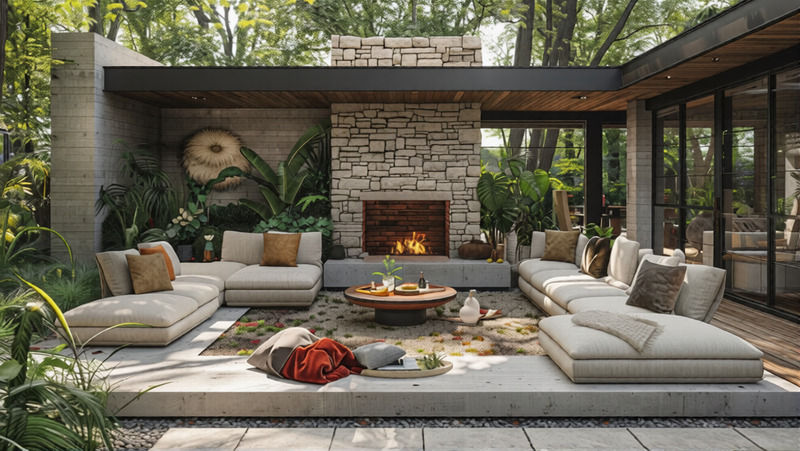
An outdoor living room is a defined, purpose-built space designed for gathering, relaxing, and entertaining outdoors. Unlike a basic patio or deck, it is intentionally designed to function like an interior room.
A true outdoor living room typically includes:
A structured hardscape foundation, such as a paver patio or natural stone surface
Defined seating areas with durable, weather-resistant furniture
Shade structures like pergolas or covered patios
Integrated outdoor lighting
Heating elements such as fire pits or fireplaces
The goal is to create comfort, structure, and usability—rather than simply placing furniture on an open slab.
How It Differs from a Basic Patio or Deck
A standard patio provides surface area. An outdoor living room provides function. The difference lies in:
Zoned layouts for conversation, dining, or cooking
Built-in features such as seating walls or fire features
Integrated landscaping for privacy and wind control
Multi-season planning is especially important in Connecticut
This intentional design approach transforms a backyard into a usable living space.
Why Year-Round Outdoor Living Matters in Connecticut
Extending Usable Living Space
Outdoor living rooms increase your functional square footage without adding interior construction. A new patio can recover more than 80% of its cost in resale value, making it one of the more impactful outdoor upgrades.
Beyond resale value, the daily usability matters. A well-designed outdoor entertaining space supports:
Family gatherings
Holiday celebrations
Casual weeknight dinners
Remote work or relaxation
Instead of being limited to a few summer weekends, the space becomes part of your everyday routine.
Adapting to New England’s Climate
Designing for Connecticut requires planning for:
Average January temperatures between 20 and 30°F (National Oceanic and Atmospheric Administration data)
Snow accumulation and freeze-thaw cycles
Humid summers
Heavy rainfall and seasonal snowmelt
Freeze-thaw cycles are particularly important. Water expands as it freezes,
which can crack improperly installed concrete or poorly prepared surfaces.
That is why proper base preparation, drainage grading, and frost-resistant materials are critical.

5 Key Elements of a Functional Outdoor Living Room
A Durable Foundation (Hardscaping)
The foundation sets the stage for everything else.
Paver patios are often preferred in Connecticut because they allow slight movement during freeze-thaw cycles, reducing cracking risk compared to poured concrete. Proper excavation and compacted base layers are essential to prevent shifting or sinking.
Permeable pavers are another option. The U.S. Environmental Protection Agency (EPA) highlights permeable surfaces as effective tools for stormwater management, helping reduce runoff and improve drainage.
A stable base protects your investment long-term.
Defined Seating Zones
Structure creates comfort. Effective outdoor living room design typically includes:
A conversation area centered around a fire feature
A dining space for meals
Flexible seating for guests
Built-in seating walls maximize space efficiency and reduce clutter. Clear layout planning prevents overcrowding and improves flow.
Weather Protection
Protection from sun, wind, and precipitation extends usability.
Options include:
Pergolas for filtered shade
Covered patios for full protection
Retractable awnings
Strategic privacy plantings or fencing
In Connecticut, wind exposure and sun angle change throughout the year. Positioning structures and plantings thoughtfully improves comfort across seasons.
Lighting for Safety and Ambiance
Outdoor lighting serves two purposes: safety and atmosphere. Layered lighting typically includes:
Path lighting for walkways
Overhead string or integrated LED lighting
Accent lighting on architectural features
Heating for Cold-Weather Use
Heating makes year-round outdoor living possible. Options include:
Wood-burning fireplaces
Gas fire pits
Built-in masonry fireplaces
Infrared patio heaters
How to Design a Year-Round Outdoor Living Room
Evaluate Your Yard’s Conditions
Start with the fundamentals:
Sun exposure throughout the day
Natural drainage patterns
Slope and grading
Soil stability
Poor drainage is one of the most common causes of patio failure. Identifying runoff areas early prevents costly corrections later.
Define How You’ll Use the Space
Be specific. Will the space primarily support:
Large gatherings?
Family dinners?
Quiet relaxation?
Outdoor cooking?
Your goals determine layout, utilities, and size requirements.
Choose Materials for Connecticut Weather
Material selection directly affects longevity. Consider:
Frost-resistant pavers or natural stone
Composite materials for pergolas or decking
Weather-rated outdoor fabrics
Rust-resistant hardware
Choosing materials designed for freeze-thaw conditions reduces maintenance and repair needs.
Plan Utilities Early
Electrical and gas lines should be incorporated during the design phase. This may include:
Gas lines for fire features
Electrical wiring for lighting
Plumbing for outdoor kitchens
Permit considerations per local Connecticut building codes
Planning utilities upfront prevents unnecessary demolition later.
Incorporate Landscaping for Privacy and Comfort
Landscaping softens hardscape and improves usability. Effective strategies include:
Evergreen screening for year-round privacy
Wind-blocking shrubs
Shade trees positioned strategically
Native Connecticut plants recommended by UConn Extension for durability and lower maintenance
Thoughtful plant selection enhances aesthetics and reduces upkeep.
Add Finishing Touches
Complete the space with:
Outdoor rugs
Storage benches
Smart lighting systems
Weatherproof cabinetry
Details elevate the space from functional to fully livable.
5 Ways to Create a Year-Round Outdoor Living Space
Designing a four-season outdoor living room in Connecticut requires more than attractive furniture. The structure, materials, and layout must support durability, drainage, and comfort in changing weather conditions.
Install a Properly Built Paver Patio Foundation
The foundation determines how well your outdoor living space handles Connecticut’s freeze-thaw cycles. A professionally excavated and compacted base with frost-resistant pavers reduces cracking, shifting, and drainage problems.
Unlike poured concrete, interlocking pavers allow slight movement during seasonal ground expansion. When installed with proper grading and base depth, they provide stability for decades. Hardscaping design and installation are one of the most important factors in long-term performance.
Add a Built-In Fire Feature for Cold-Weather Use
Heating extends seasonal usability significantly. Gas fire pits and masonry fireplaces provide consistent warmth and reduce smoke concerns compared to open wood-burning setups. A built-in fire feature also anchors the layout, creating a central gathering point.
Incorporate Drainage Solutions From the Start
Drainage is often overlooked but critical in Connecticut, where heavy rainfall and snowmelt can cause pooling, erosion, and foundation issues.
Effective solutions may include:
Grading adjustments
French drains
Permeable pavers
Retaining walls for sloped properties
Build Wind and Privacy Barriers With Landscaping
Wind exposure reduces comfort even on mild days. Strategic landscaping improves usability while maintaining aesthetics.
Year-round solutions include:
Evergreen screening for winter privacy
Dense shrub plantings to reduce wind
Stone or retaining walls for structural buffering
Pergolas or partial enclosures for overhead protection
Install Layered Outdoor Lighting for Extended Evening Use
Shorter daylight hours in fall and winter limit usability without proper lighting. Layered lighting ensures safety and ambiance.
Effective systems typically include:
Pathway lighting for safe movement
Overhead or pergola-integrated lighting
Accent lighting on seating walls or architectural features
Well-designed outdoor lighting extends entertaining hours while improving safety and visibility.
6 Common Mistakes to Avoid When Designing an Outdoor Living Room
Even a well-intentioned outdoor upgrade can fail prematurely if key planning steps are skipped. In Connecticut, climate conditions and local regulations make proper design especially important. Avoiding the following mistakes protects both your safety and your long-term investment.
Ignoring Drainage Planning
Poor drainage is one of the leading causes of patio failure. Without proper grading and base preparation, water can pool beneath pavers or concrete surfaces. In freeze-thaw climates like Connecticut, trapped water expands when frozen, leading to cracking, heaving, and shifting.
Drainage planning should include:
Proper slope away from the home’s foundation
Compacted base materials
Consideration of runoff patterns
Drainage systems, such as French drains, when needed
Addressing drainage at the design stage prevents structural issues and costly repairs later.
Skipping Required Permits
Covered patios, outdoor kitchens, fireplaces, electrical installations, and gas lines often require permits in Connecticut municipalities. Skipping this step can result in fines, project delays, or complications during resale inspections. Permit requirements vary by town. Verifying local building codes before construction ensures compliance and avoids unexpected setbacks.
Using Materials Not Rated for Freeze-Thaw Cycles
Not all outdoor materials are designed for New England weather. Materials that absorb water or lack flexibility may crack or deteriorate during seasonal temperature swings.
In Connecticut, it is important to choose:
Frost-resistant pavers or natural stone
Weather-rated outdoor cabinetry and fabrics
Rust-resistant hardware
Properly sealed surfaces
Material durability directly impacts how long your outdoor living room performs without major repairs.
Overcrowding the Layout
Trying to fit too many features into a limited space reduces functionality. Large furniture, oversized fire features, or poorly placed seating can make the area feel cramped and difficult to navigate.
An effective outdoor living room design allows for:
Clear walking paths
Comfortable seating distances
Balanced proportions between hardscape and landscaping
Prioritizing flow and usability results in a space that feels open rather than cluttered.
Installing Insufficient Lighting
Inadequate lighting limits usability and increases safety risks. Short daylight hours in fall and winter make proper illumination essential for evening gatherings.
Common lighting mistakes include:
Relying on a single light source
Skipping pathway lighting
Ignoring steps or elevation changes
Layered lighting—combining path lights, overhead lighting, and accent fixtures—improves both ambiance and safety.
Underestimating Wind Exposure
Wind can significantly reduce comfort, even when temperatures are moderate. Open backyards, sloped properties, and wooded clearings common in Connecticut can create unexpected wind tunnels. Failing to account for wind may result in:
Difficulty maintaining warmth from fire features
Unstable furniture
Reduced enjoyment during cooler months
Strategic landscaping, retaining walls, pergolas, and partial enclosures help reduce wind impact and extend seasonal use.

Frequently Asked Questions
How much space do you need for an outdoor living room?
Most functional outdoor living rooms require at least 200–400 square feet to accommodate seating and circulation comfortably. Larger entertaining spaces may require 500+ square feet.
How do you protect outdoor furniture in winter?
Use weather-rated covers, store cushions indoors, and choose rust-resistant aluminum or composite frames. Proper drainage beneath the patio also prevents moisture damage.
What is the difference between a fire pit and an outdoor fireplace?
A fire pit is typically open and allows seating around all sides. An outdoor fireplace has a vertical structure that blocks wind and directs smoke upward, often providing better heat retention.
How long do paver patios last in Connecticut?
With proper installation and maintenance, paver patios can last 25–50 years. Longevity depends on base preparation, drainage, and material quality.
What is the best time of year to build an outdoor living space?
Spring through fall is ideal for installation in Connecticut, though planning and design can begin anytime. Scheduling early helps ensure completion before peak entertaining seasons.
Create a Year-Round Outdoor Living Space That Works for Your Home
A year-round outdoor living room comes down to the essentials: materials built for Connecticut weather, a layout that functions day-to-day, drainage that protects the structure, and heating + lighting that extends the season. Get those right, and your backyard becomes usable far beyond summer—comfortable for entertaining, easier to maintain, and designed to last.
Good planning also prevents the most common problems (shifting pavers, pooling water, poor flow) and ensures the space fits your home’s style and how your family actually uses it.
If you want a space built for long-term performance, Keller Landscaping can help you plan and build an outdoor living area that holds up season after season.


Comments